


Registration of a company in Germany in 2026: how to open a business for a foreigner and enter the EU market
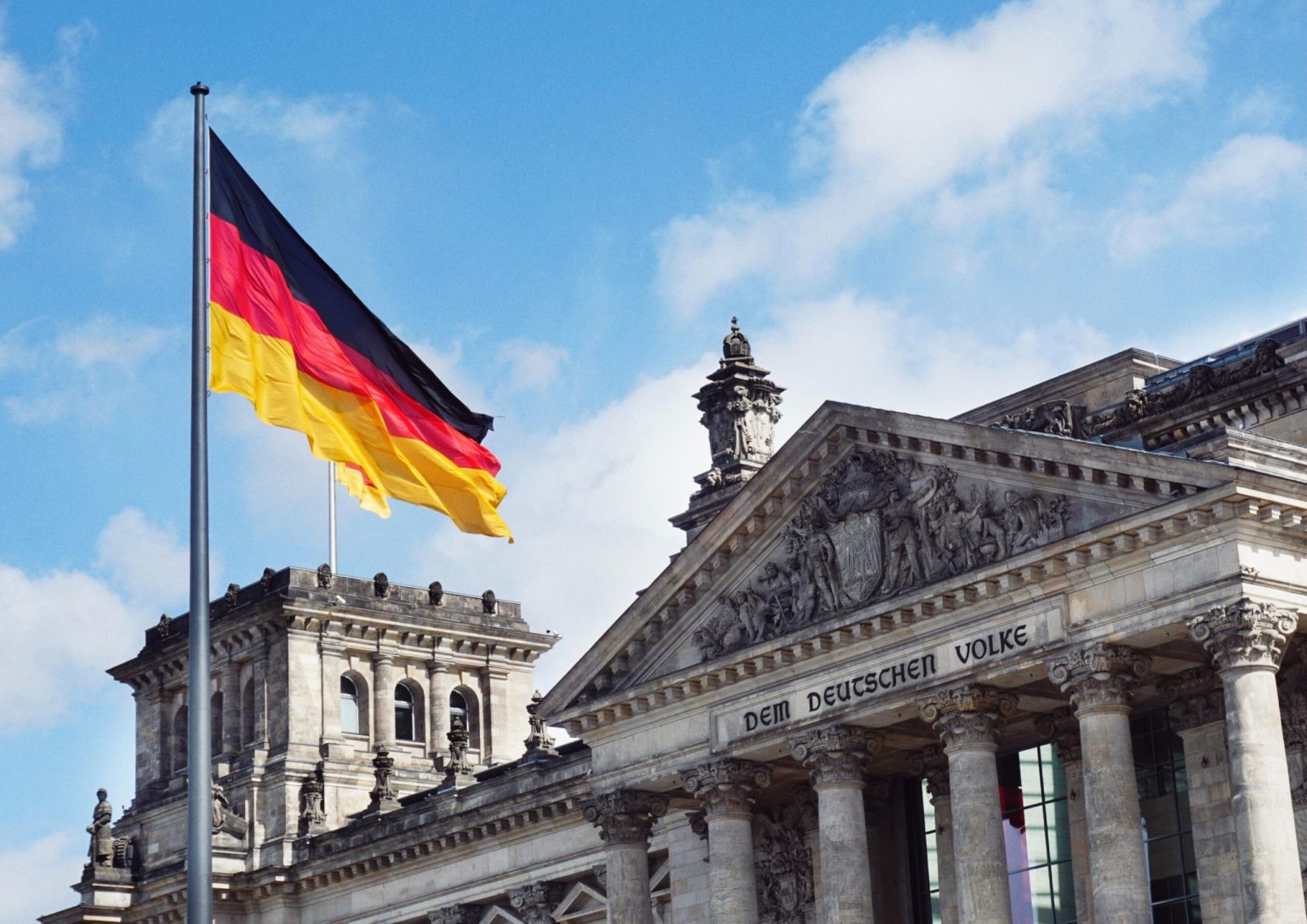
Germany remains one of the most attractive European jurisdictions for business registration. In 2026, entrepreneurs' interest in the German market continues to grow thanks to a stable economy, high level of legal protection, and the ability to operate throughout the European Union. A German company enhances trust with clients, investors, and banks, and opens access to one of the world's largest markets.
Why Entrepreneurs Choose Germany
Starting a business in Germany offers a number of significant advantages. The country boasts a well-developed infrastructure, transparent legislation, and a stable financial system. Predictable business regulations and a high level of property rights protection are particularly important for foreign investors. Furthermore, registering a German company can be an effective tool for entering the European market and expanding a company's international presence.
Popular Company Forms
The most popular legal form is the GmbH, a limited liability company. This format is suitable for both small and medium-sized businesses and large international projects. The minimum authorized capital for a GmbH is €25,000.
An alternative option is the UG (Unternehmergesellschaft), also known as a Mini-GmbH. It can be registered with a minimum capital of 1 euro, making it particularly popular among startups and aspiring entrepreneurs. A UG can later be converted into a full-fledged GmbH.
Company Registration Steps
The procedure for opening a company in Germany involves several mandatory steps. First, you must choose a company name and determine a legal address. Then, the incorporation documents are prepared and certified by a German notary.
After notarization, a bank account is opened and the authorized capital is deposited. The next step is registering the company with the German Commercial Register (Handelsregister). Once registered, the company receives legal entity status and can begin commercial activities. It is also necessary to register with the tax authorities and obtain the appropriate tax identification numbers. On average, the process takes two to six weeks.
Business Startup Considerations in 2026
In 2026, German regulators will pay increased attention to business transparency, the origin of capital, and compliance with anti-money laundering (AML) requirements. Banks and government agencies will carefully review the ownership structure, the business reputation of the founders, and the economic substance of the project. Therefore, entrepreneurs are advised to prepare a comprehensive set of documents in advance and clearly define the company's business model.
Professional Registration Support
Company registration in Germany requires knowledge of local legislation, an understanding of corporate procedures, and effective interaction with notaries, banks, and government agencies. IT-OFFSHORE provides comprehensive support for business startup in Germany, helping you choose the optimal legal structure, prepare documents, and complete all stages of registration as quickly and safely as possible.


