


Sweden is preparing for major changes to online gambling regulations
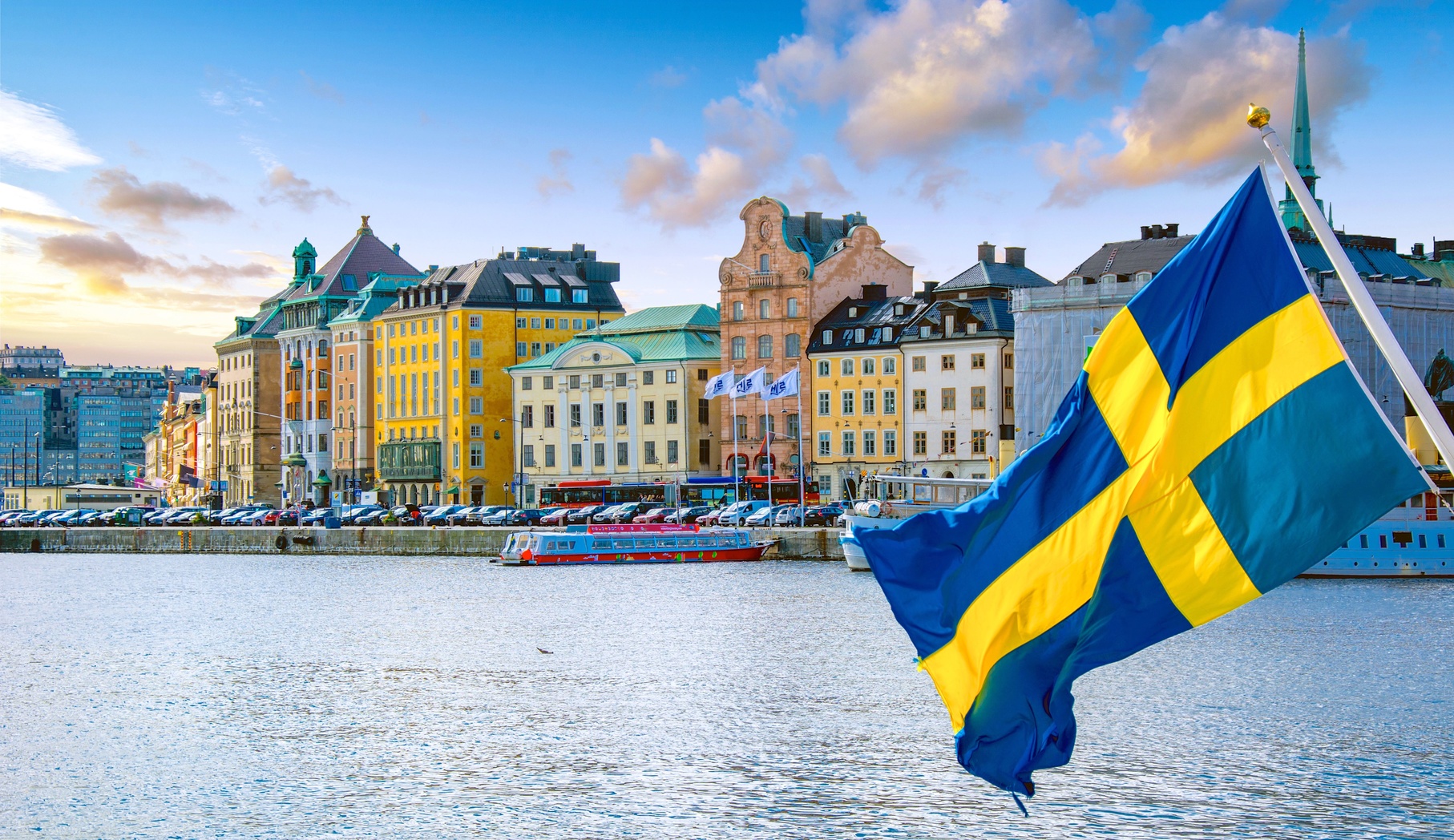
Sweden is on the brink of significant reforms in online gambling regulation. A new regulation will come into effect on January 1, 2027, changing the approach to combating unlicensed operators. It will focus on the player's location, rather than whether the operator is targeting the Swedish market.
This initiative aims to strengthen oversight of offshore platforms used by Swedish residents, even if the sites do not use Swedish and do not offer prices in Swedish kronor.
New Legal Model: Focus on Player Geolocation
Until now, Swedish regulators have relied on the so-called "targeting test"—an analysis of whether the operator is targeting a Swedish audience through language, currency, or marketing. However, many offshore platforms have successfully circumvented this criterion.
Starting in 2027, the user's actual location will become the key factor. This will expand regulators' jurisdiction and simplify enforcement against unlicensed sites operating in a gray area.
Industry Support and Hidden Concerns
The initiative has been supported by the Swedish Online Gambling Trade Association (BOS), which represents licensed operators and suppliers. However, the organization's representatives warn that changing the legal criteria alone is not enough.
They believe that if the licensed sector becomes less attractive due to excessive regulation and tax burdens, players will continue to migrate to offshore alternatives.
The Problem of "Channeling" and Revenue Leakage
BOS CEO Gustaf Hoffstedt is sounding the alarm about so-called "channeling"—the share of players remaining in the licensed market. According to him, a significant portion of revenue is already flowing to illegal operators.
This undermines one of the key goals of regulation—consumer protection. If players migrate en masse to unlicensed platforms, they lose access to protection mechanisms, responsible gambling, and government oversight.
Restrictions on Offshore Operators
Planned reforms will give regulators additional leverage, including blocking and sanctions against operators who previously claimed not to target Swedish players.
However, industry experts emphasize that bans alone are not enough. Players will always find alternatives if the legal market fails to offer competitive conditions.
Tax Policy as a Key Risk Factor
Taxation has become one of the most controversial topics. In 2024, the gambling tax was raised from 18% to 22%. The BOS has repeatedly warned that tax increases widen the gap between licensed and unlicensed offerings.
Furthermore, the idea of differentiated tax rates by product type is being discussed. Horse racing operator ATG advocates for such a model, but the BOS believes it could negatively impact online casinos by driving price-sensitive players offshore.
The Future of the Swedish Regulated Market
The 2027 reforms demonstrate Sweden's commitment to strengthening oversight and expanding jurisdiction. However, legislators face a difficult task: finding a balance between strict regulation and the competitiveness of the legal sector.
If licensed platforms lose out on price, functionality, and product range, the state risks imposing strict laws with no real impact and with fewer players in the regulated system.
The 2027 reform could be a turning point for the Swedish online gambling market. It has the potential to strengthen consumer protection and reduce the influence of offshore operators. However, success will depend not only on oversight but also on the ability of the licensed sector to remain attractive to players.
IT-OFFSHORE has extensive experience in regulation and international online gambling and will help operators adapt to new requirements and build an effective legal strategy.


