


Opening a Company in the Netherlands in 2026 – Registering a Business in the EU
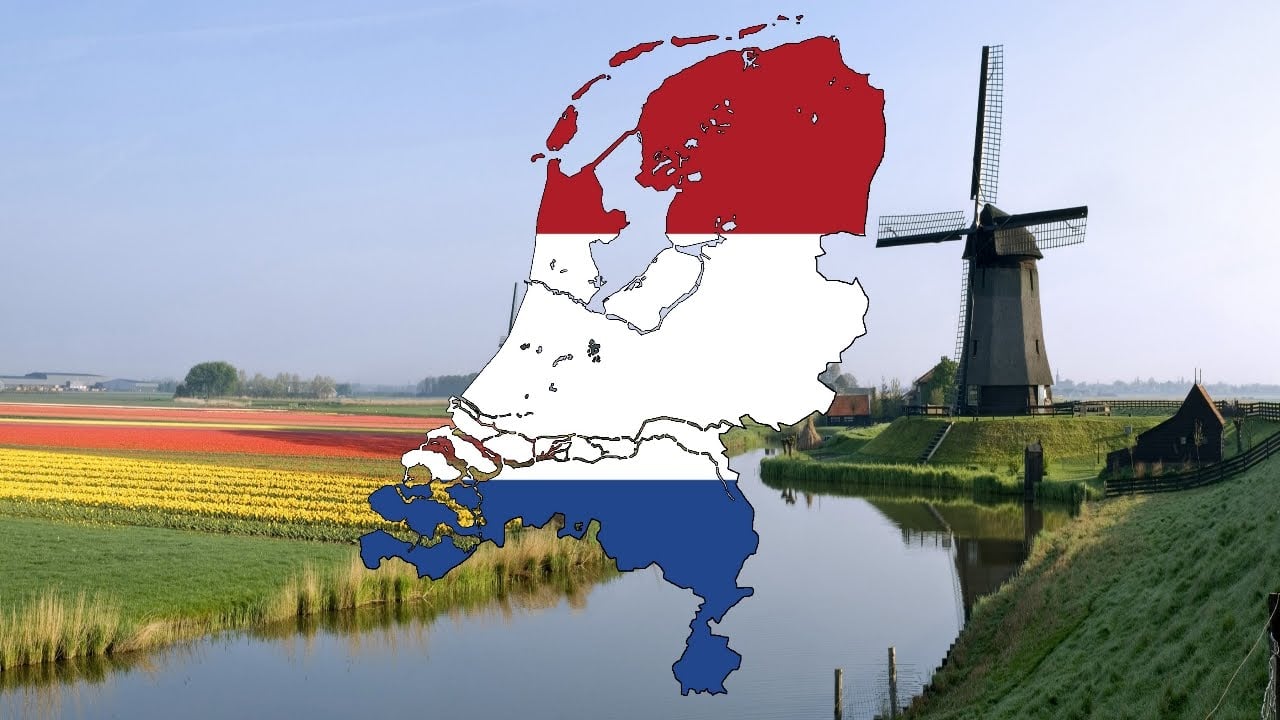
The Netherlands remains one of the most attractive countries in Europe for international business. In 2026, the country continues to support entrepreneurs with a transparent tax system, developed infrastructure, and a favorable business climate. Many foreign investors choose the Netherlands as a gateway to the European Union market.
Why Entrepreneurs Choose the Netherlands
The Netherlands is known for its stable economy, high level of digitalization, and convenient logistics. The country's central location in Europe makes it convenient for trade and international operations.
The main advantages include:
- access to the EU market;
- transparent legal system;
- developed banking sector;
- high reputation of Dutch companies;
- support for innovation and startups.
Furthermore, the country is actively implementing digital services for businesses, simplifying the process of registering and managing a company.
Popular Company Forms
The most common legal form for foreign businesses is the BV (Besloten Vennootschap), similar to a limited liability company.
Key characteristics of a BV:
- Limited liability of founders;
- Possibility of registration with one director;
- Minimum share capital requirements;
- Flexible management structure.
You can also register a branch of a foreign company or open a representative office in the Netherlands.
Company Registration Steps
The procedure for opening a company in the Netherlands typically takes from a few days to several weeks.
The key steps include:
- Choosing a company structure
- Preparing constituent documents
- Registration with a notary
- Registering the company in the Commercial Register
- Obtaining a tax identification number
- Opening a bank account
After registration, the company receives the right to operate in the Netherlands and work with European partners.
Taxes and Regulation
The Dutch tax system is considered one of the most transparent in Europe. Corporate tax is based on profit levels and is divided into several rates.
Companies are also required to:
- maintain accounting records;
- submit financial statements;
- comply with VAT requirements.
A proper tax structure allows you to optimize costs and effectively conduct international business.
Business Prospects in 2026
In 2026, the Netherlands continues to actively develop technology, logistics, financial services, and e-commerce. The country remains a key European hub for startups and international companies.
Thanks to stable legislation and support for entrepreneurs, opening a company here remains a strategically advantageous solution for entering the European market.
When registering and supporting your business, it is important to consider legal and tax nuances. IT-OFFSHORE will help you navigate all stages of opening a company in the Netherlands quickly and professionally.


