


South Africa Raises Online Gambling Tax: Reasons, Risks, and Consequences
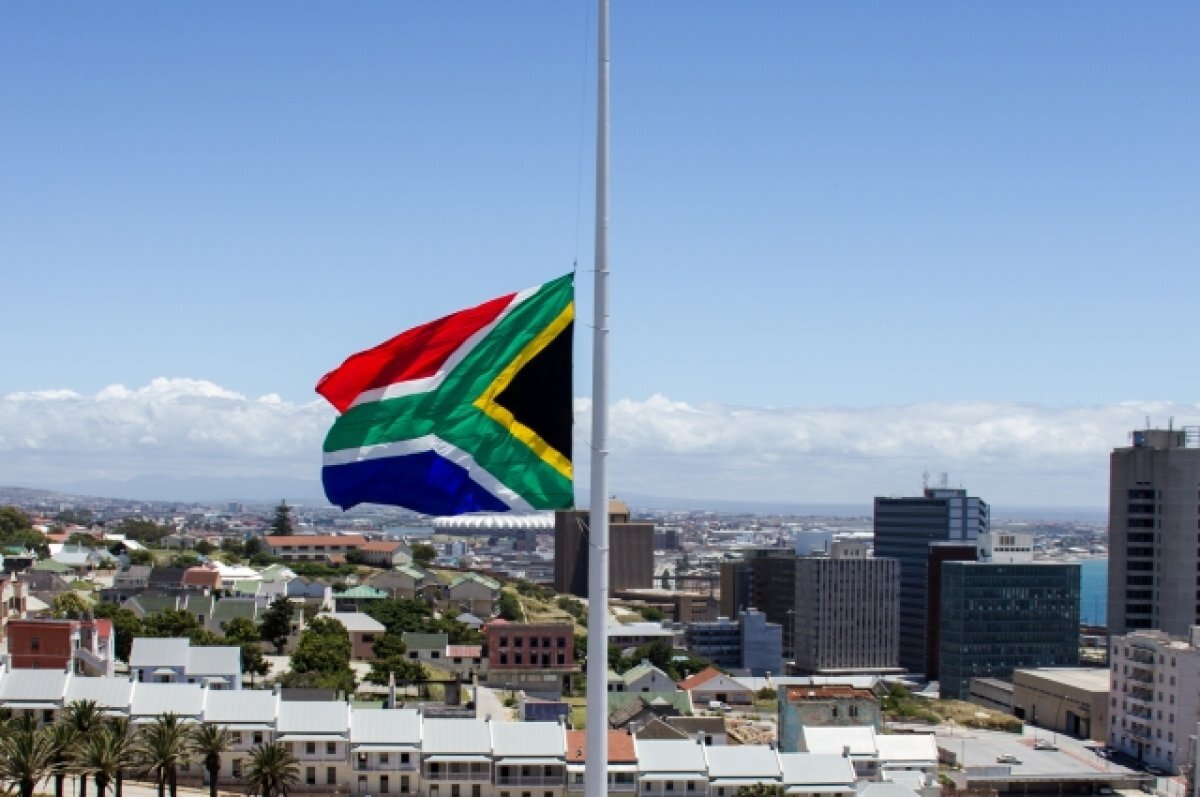
South Africa is considering increasing the tax burden on online gambling operators. A new initiative being discussed at the federal level proposes a tax of 20% of gross gaming revenue (GGR). According to preliminary estimates, this measure could generate approximately $580 million in additional government revenue, which could then be used for social programs and economic stabilization.
However, the tax increase is not solely an economic measure. As government officials emphasize, the key goal of the initiative is to curb the growth of pathological gambling, which has rapidly spread among young people and socially vulnerable groups over the past decade.
Reasons for the New Tax Measures
The gambling market in South Africa is experiencing rapid expansion. Smartphones and the availability of mobile betting apps have been a key driver of this growth. The country faces serious economic challenges: high unemployment, low purchasing power, and a lack of stable income. Against this backdrop, betting and gaming are becoming more than just entertainment for many, but a way to quickly improve their financial situation.
Experts note that the industry's rapid growth requires a more stringent regulatory system to prevent a deterioration in the social situation. The government is not seeking to ban the market, but to regulate it to reduce the risks of addiction and financial losses for players.
The Scale of the Gambling Market in South Africa
According to the National Gambling Council, betting volume in the 2024–25 financial year was approximately $87 billion, almost a third higher than the previous period. The most popular products remain lotteries and online sports betting, which attract a younger audience. The most active age group is 25–34 years old, and they account for the bulk of financial transactions.
Research also shows that 90% of the country's residents have gambled at least once, and young South Africans spend an average of 41% of their income on betting—more than on food. These figures highlight the need for government intervention, as the problem is moving from an individual perspective to a systemic one.
What's next for the market
The introduction of a 20% tax could alter the balance of interests in the market: it could reduce operators' profits and slow the influx of new companies, while also reducing the risk of widespread gambling addiction. South Africa is seeking to find a balance between economic benefits and social responsibility, and the coming years will be crucial for the development of a new regulatory model for the industry.
IT-OFFSHORE monitors legislative changes and is ready to advise businesses on gambling regulation and international taxation.


