


Crypto Business in El Salvador: DASP and BSP Licenses for Cryptocurrency Projects
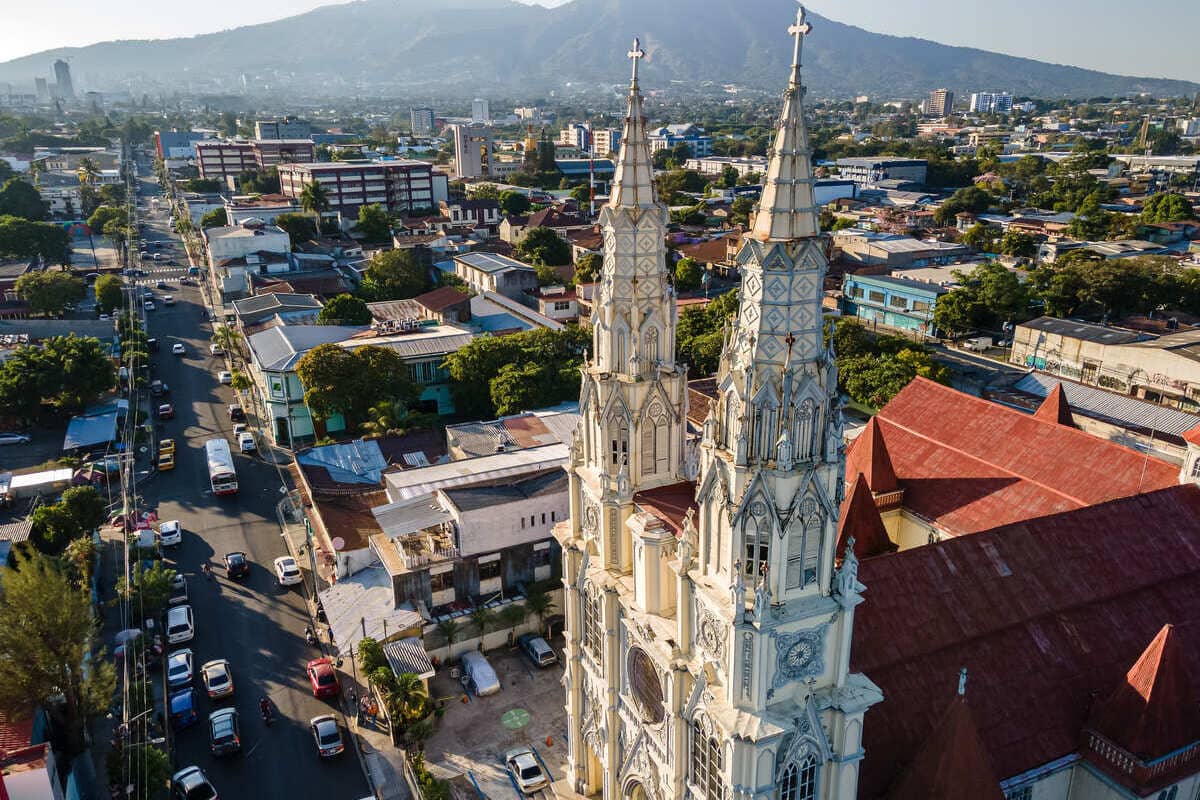
El Salvador continues to develop its own regulated infrastructure for digital assets and remains a prominent jurisdiction in Latin America for launching cryptocurrency projects. The country operates a dedicated regulatory framework for digital assets, with oversight of relevant companies provided by the National Digital Assets Commission (CNAD). The regulator maintains a public registry of registered digital asset service providers.
However, the crypto business landscape in El Salvador today extends beyond just Bitcoin. Legislation covers a broader spectrum of digital assets and specialized services, making the country an attractive destination for international fintech and blockchain projects.
DASP and BSP: Key Regulatory Options
For companies dealing with digital assets, DASP (Digital Asset Service Provider) registration is a key mechanism. It applies to various business models involving digital assets, including asset exchange, custody, and transfer, as well as specific token-related operations. The legal framework comprises the Digital Assets Issuance Law and CNAD regulations.
A separate category exists for BSP (Bitcoin Service Provider) registration, covering service providers focused specifically on Bitcoin. This format is suitable for crypto wallets, custody services, exchange operations, and payment solutions.
Therefore, before launching a project, it is crucial to define the actual business model and the scope of services: some companies may only require BSP status, others will need DASP registration, and in some cases, pursuing both avenues may be advisable.
Types of Projects That Can Be Launched
El Salvador’s regulated infrastructure offers opportunities for operators of crypto exchanges, payment platforms, and custody services. Depending on the chosen model, businesses can structure projects involving digital asset exchange, crypto payment processing, asset custody, tokenization, and other blockchain-based solutions. El Salvador is also developing the institutional infrastructure for digital assets; according to the state investment agency, over 70 companies providing digital asset services are registered in the country.
Key considerations for 2026
The current regulatory model differs from the initial phase of Bitcoin adoption in the country. Following legislative changes, private businesses are no longer required to accept Bitcoin as a form of payment—its use has become voluntary.
Therefore, when establishing a crypto business, it is essential to determine in advance the clients' jurisdictions, asset types, fund custody arrangements, AML/KYC procedures, and the company's specific regulatory status.
Crypto business in El Salvador with IT-OFFSHORE
IT-OFFSHORE offers end-to-end support for obtaining DASP and BSP licenses. This solution is suitable for crypto exchanges, custodial services, payment processing, token issuance, crypto lending, NFT operations, and digital asset management.
An option is also available to acquire a ready-made company holding a DASP license—registered in 2023 and ready for transfer to a new owner. This approach allows for launching a project using an existing structure, avoiding the need to go through the entire registration process from scratch.


