


The EU introduces uniform AML rules for gambling operators: new requirements for licensed companies
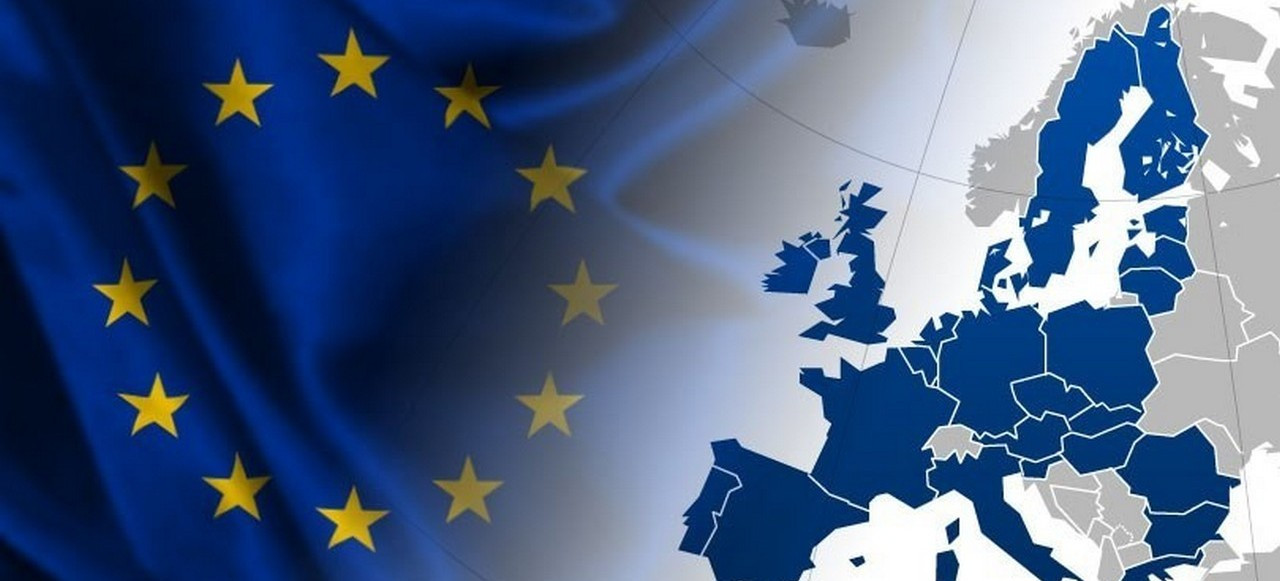
The European Unionis taking a significant step forward in the regulation of the gambling industry. For the first time, an official definition of gambling services will be established at the level of a pan-European regulation, and uniform requirements for combating money laundering and the financing of terrorism (AML/CFT) will be introduced. These new provisions are part of a comprehensive EU reform package aimed at enhancing financial sector transparency and improving the effectiveness of oversight for high-risk business sectors.
Although gambling regulation will remain within the competence of individual states, the new rules will fundamentally alter the approach to financial supervision of gambling companies across the European Union.
Uniform requirements for all operators
One of the key innovations is the formal inclusion of gambling operators in the list of entities required to comply with EU-wide anti-money laundering rules. This means that all licensed gambling companies must apply standardized financial control procedures, regardless of their country of registration.
Operators will be required to identify customers, verify the source of funds in high-risk cases, monitor suspicious financial transactions, and report them promptly to the competent authorities. Furthermore, companies must implement internal risk assessment procedures and regularly update their internal control programs.
This approach will establish a unified financial security standard for the entire European gambling industry.
How the new regulation differs from previous rules
Until now, anti-money laundering requirements were governed by European Union directives. This mechanism required each state to independently transpose European norms into its national legislation.
In practice, this led to significant discrepancies between countries. Some jurisdictions implemented stricter customer verification procedures, while others allowed operators greater flexibility in meeting AML requirements.
The new regulation holds a fundamentally different status. Unlike directives, it will apply directly across all EU countries without the need for further national implementation. This will help eliminate many regulatory discrepancies and ensure the uniform application of requirements.
National Licensing to Remain
Despite the harmonization of financial oversight, a single EU gambling market is not currently being established. Each country will continue to determine its own gambling policy independently.
National regulators will retain the authority to define the list of permitted gambling activities, set licensing procedures, impose restrictions on operators, and regulate foreign companies' access to the local market.
Thus, licensing will remain a national matter, while only the requirements regarding financial monitoring and the prevention of illicit financial transactions will be standardized.
New Obligations for Gambling Companies
Once the regulation enters into force, operators will need to review their internal processes and align them with pan-European standards.
Particular emphasis will be placed on Know Your Customer (KYC) procedures, continuous transaction monitoring, customer data retention, risk assessment documentation, and staff training on AML/CFT requirements.
For international companies, this could simplify operations across multiple European jurisdictions, as core requirements will become uniform. Conversely, smaller operators will need to invest additional resources in upgrading their compliance systems.
A Potential Step Toward Legislative Harmonization
Experts note that the new regulation could serve as a starting point for the further harmonization of European gambling laws. Establishing a common definition of gambling services and introducing uniform obligations for operators lays the groundwork for closer regulatory integration in the future.
While it is premature to speak of a single EU license, the gradual alignment of requirements could significantly simplify operations for international companies and enhance transparency within the European gambling market.
IT-OFFSHORE — Professional Support for Gambling Business Licensing
IT-OFFSHORE provides comprehensive services for registering international gambling companies and obtaining licenses in leading global jurisdictions. The company’s specialists guide clients through every stage of launching a business: from selecting the optimal licensing jurisdiction and registering the legal entity to preparing documentation, implementing AML/KYC procedures, developing compliance policies, and liaising with regulatory authorities. Thanks to a deep understanding of various regulatory requirements and extensive industry experience, IT-OFFSHORE helps gambling companies successfully enter international markets, minimize legal risks, and ensure full compliance with applicable laws.


